Can AI Actually Quote Your Dent Repair? What the Software Sees — and What It Misses
By 2026, most large repairers and insurers run your damage photos through AI assessment software before a human ever looks at them. The tools are impressive: platforms like Mitchell's can cut estimate preparation time by more than 60 per cent. But an algorithm's estimate and an accurate quote aren't the same thing. Here's what the software genuinely does well, where it falls over, and how to use that knowledge when you're getting quotes in Sydney.
What the AI Can See
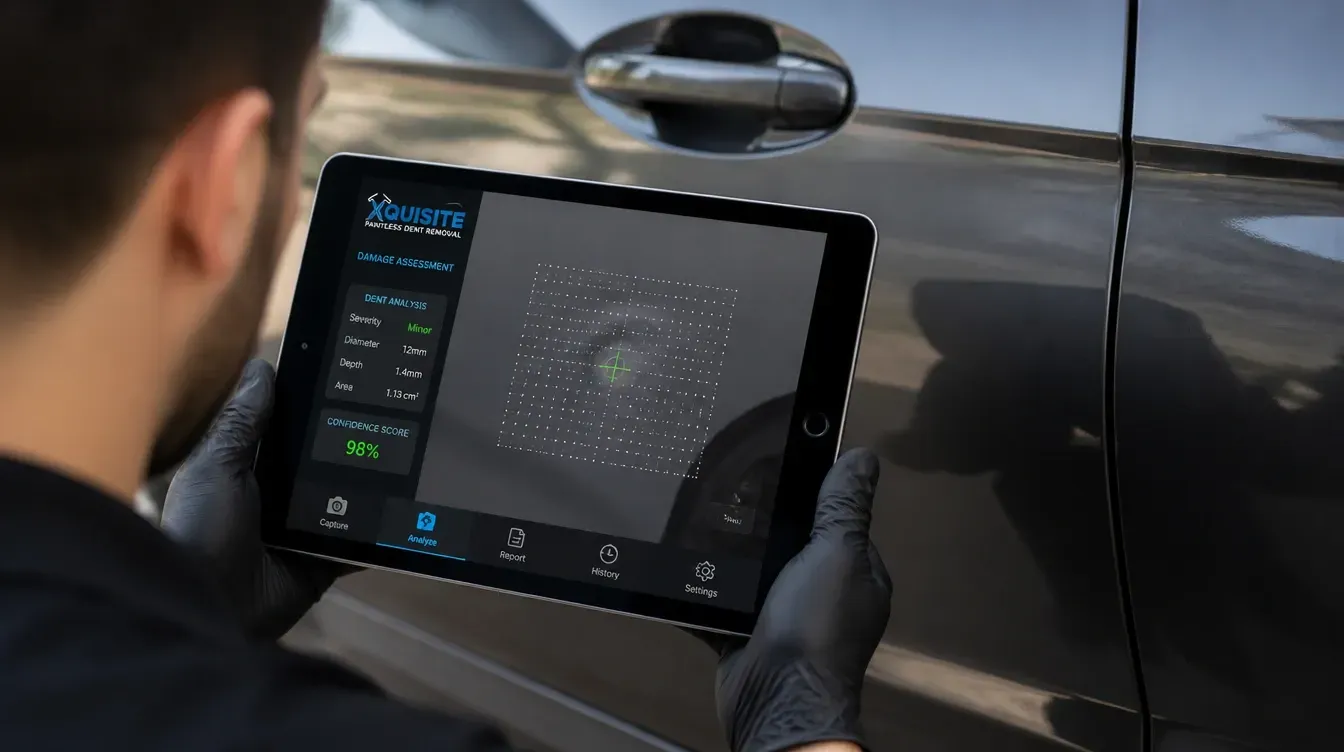
Trained on millions of damage photos, modern assessment tools are reliable at three things: measuring dent dimensions from a photo, classifying the damage type (ding, crease, hail pattern), and matching it against historical repair costs for your vehicle model. For clean, well-lit photos of straightforward dents, an AI estimate usually lands in the right ballpark within minutes.
What It Can't See
Four things decide whether a dent is PDR-repairable and what it costs — and the software struggles with all of them.
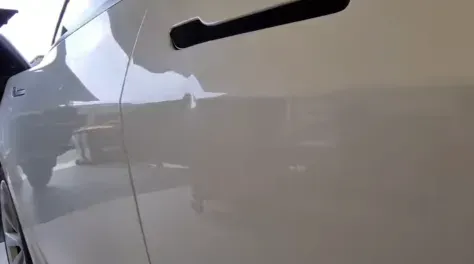
Paint condition. A hairline crack in the clear coat rules out PDR, and it's often invisible in a phone photo. A trained technician still makes the final repairability call for exactly this reason.
Panel material. Steel and aluminium look identical in a photo but repair very differently — aluminium adds 20 to 40 per cent to the job. AI tools infer material from the vehicle model; mixed-material builds trip them up.
Rear access. Whether a technician can get a rod behind the panel — past bracing, wiring looms, or intrusion bars — is the single biggest driver of repair time, and no photo shows it.
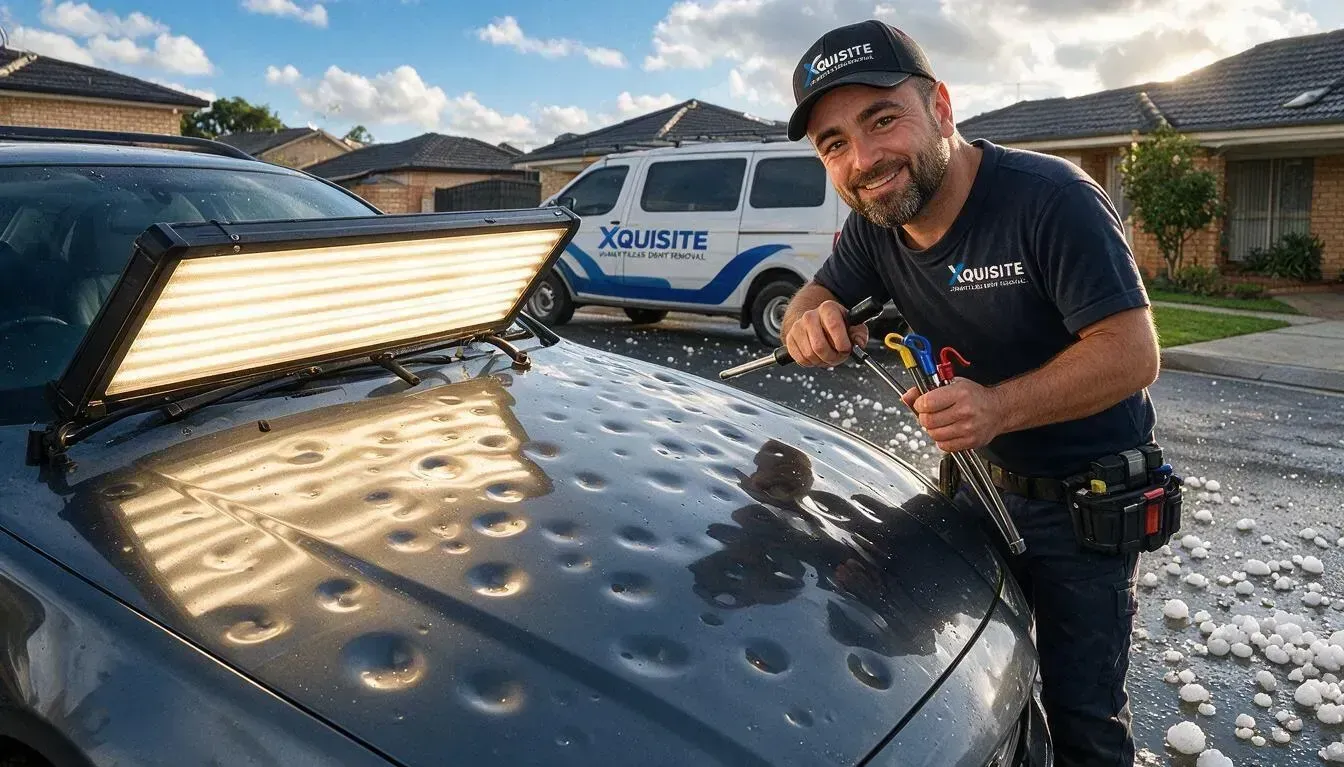
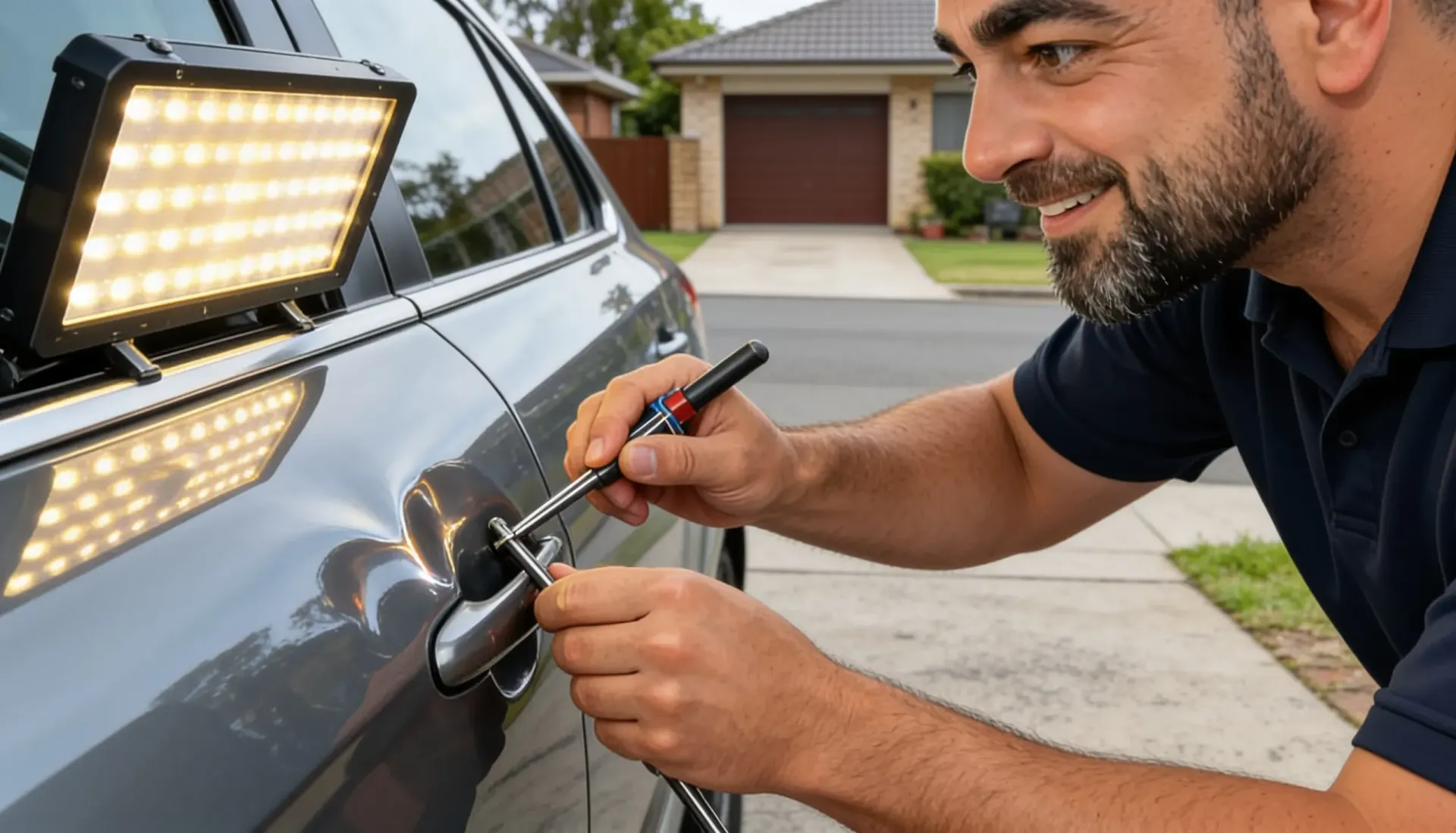
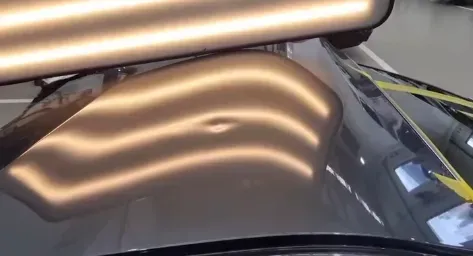
Depth under load. A shallow-looking dent with a stretched centre reads "easy" to the software and "two extra hours" to a technician under a light board.
What This Means for Insurance Claims
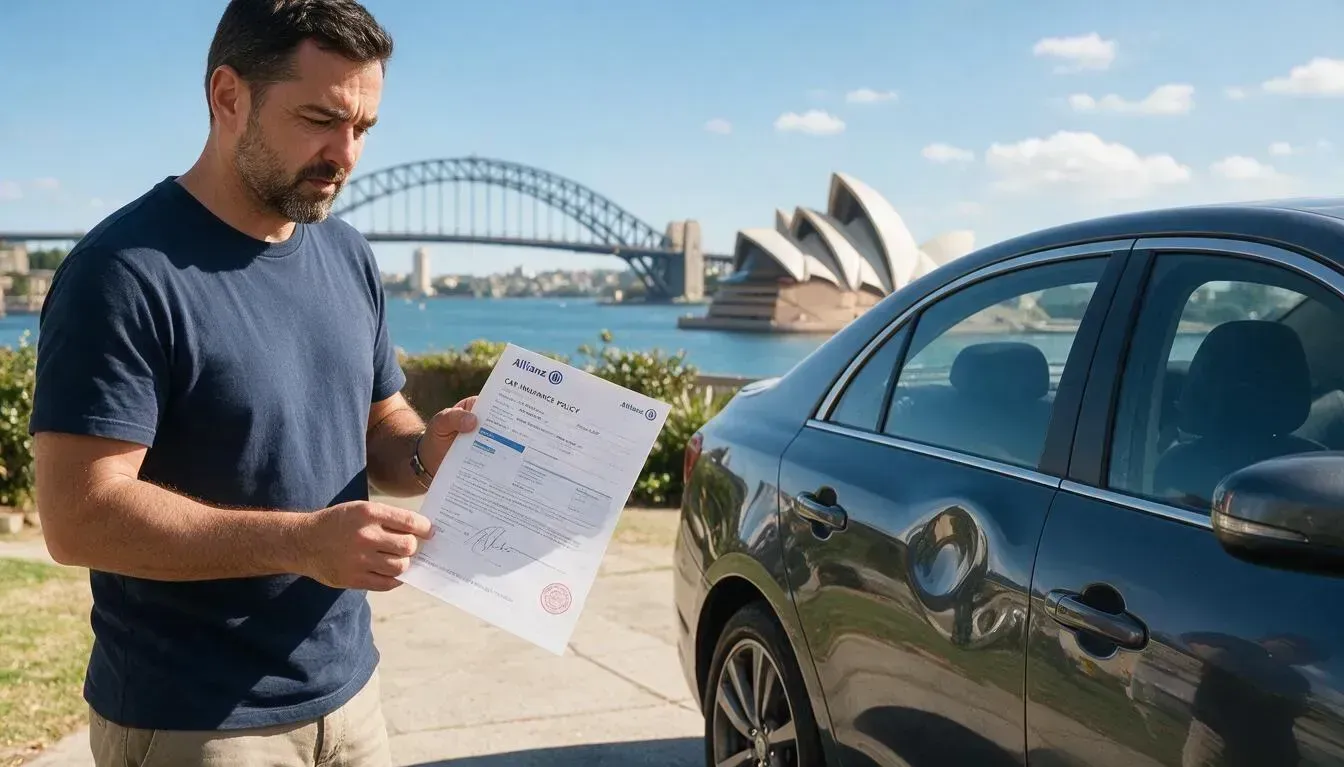
Insurers increasingly auto-triage minor claims with the same technology, and some platforms now build ADAS recalibration checks into the PDR workflow — relevant if your car carries cameras or sensors behind its panels. Routine hail and dent claims settle faster than they used to. But if an automated assessment writes your damage up as a conventional repair when it's PDR-eligible, you may be steered toward a costlier, slower fix. If your policy includes choice of repairer, get an independent PDR quote before accepting an insurer-assigned repairer's scope.
How We Use Technology (and Where We Don't)
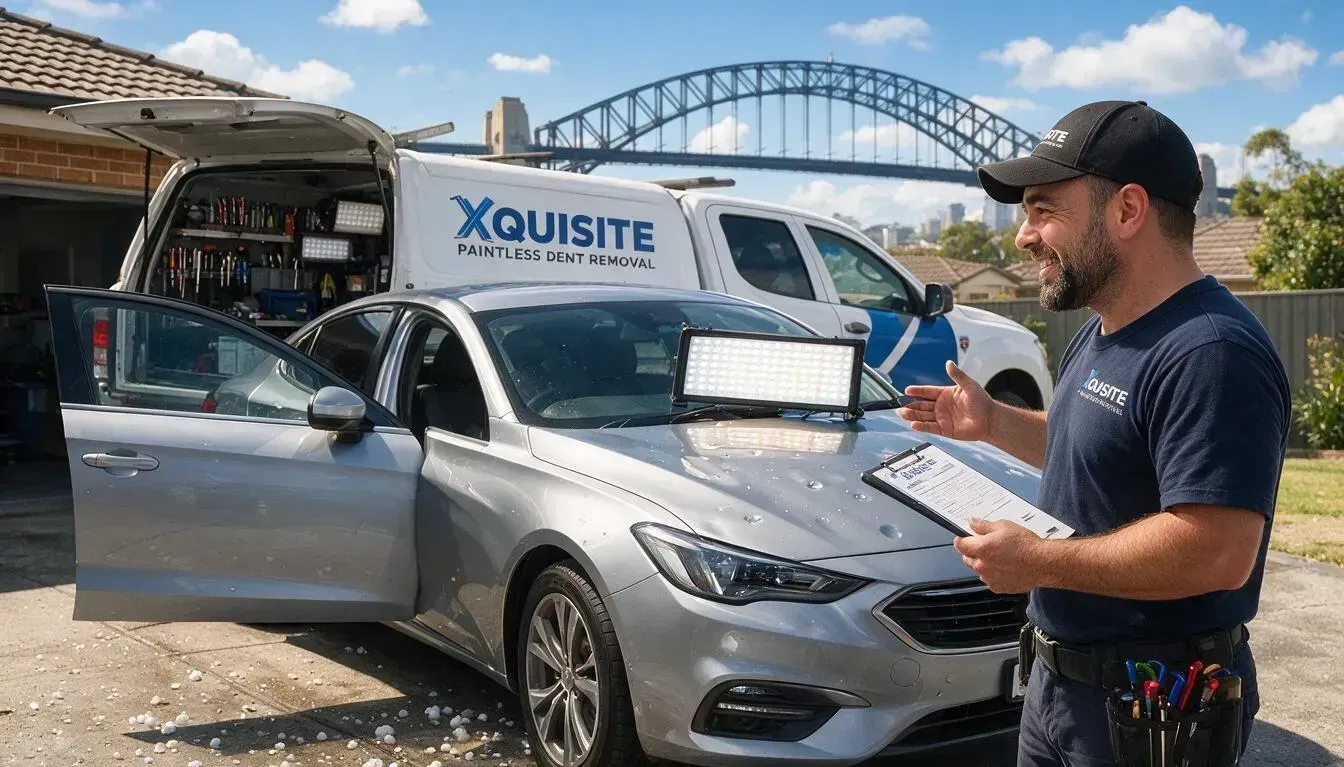
We quote from photos too — it's fast, and for most dents it's accurate. The difference is that a PDR technician reads your photos, not an algorithm alone, checking the things software can't: paint stress marks, likely access, panel material. That's why our photo quotes are fixed prices, not "estimates subject to inspection." What photos to send and how to compare the quotes you get back is covered in our guide to getting an accurate dent repair quote in Sydney.
Frequently Asked Questions
Is an AI estimate ever enough on its own?
For a simple door ding on a common steel-panelled car, usually yes. For creases, bodyline dents, aluminium panels, or anything on an EV, human review is what keeps the final bill matching the quote.
Will AI make dent repair cheaper?
More predictable rather than cheaper. The PDR market is projected to grow from $7.4 billion in 2025 to $13.8 billion by 2034, and better tooling is pushing quotes toward consistency across providers.
Is AI replacing PDR technicians?
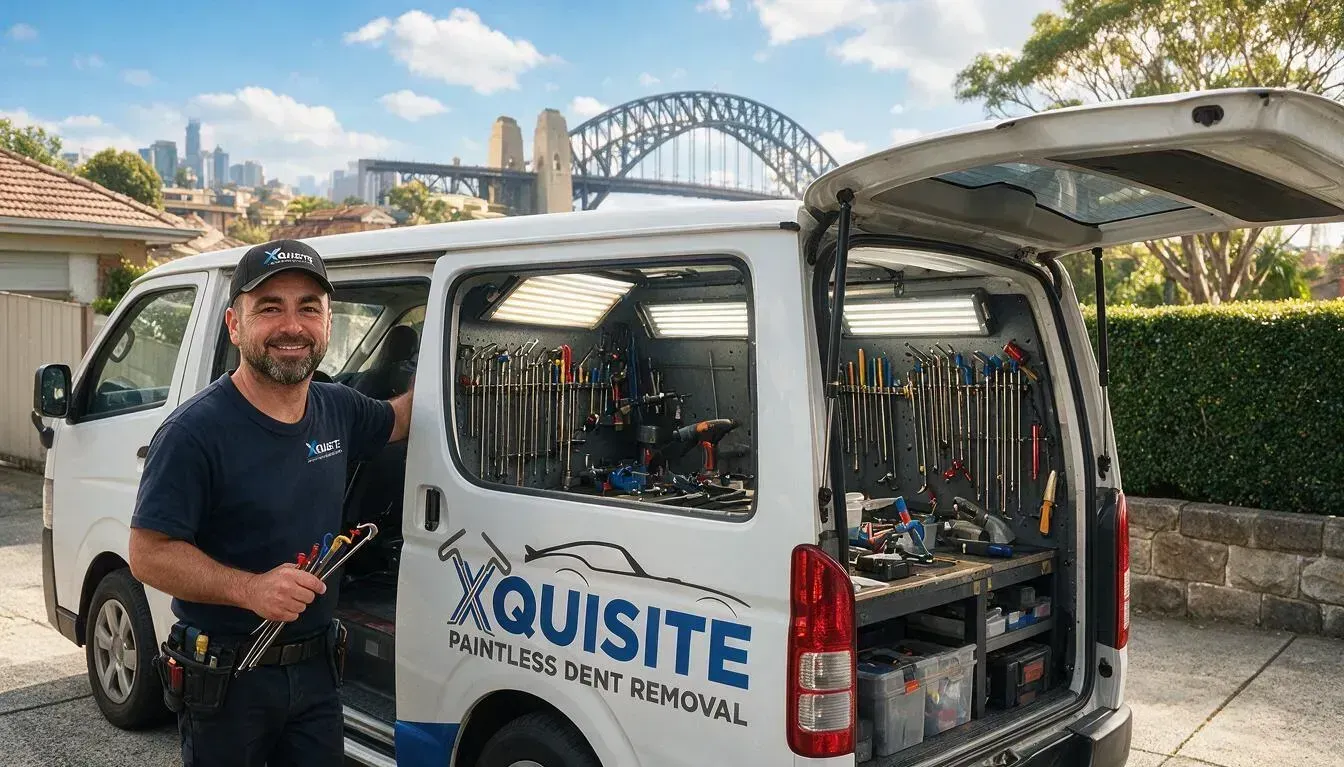
No. It's replacing the wait for an estimate. The repair itself is still a person with rods, a light board, and years of feel for metal.
Text your photos to 0449 672 882 — assessed by a technician, priced fixed, usually within a few hours.
Related Reading and Nearby Suburbs
Blog Articles
→ What Is Paintless Dent Removal?
→ 8 Benefits of Paintless Dent Removal
→ How to Get an Accurate Dent Repair Quote in Sydney
→ Should You Claim Insurance for a Car Dent?
→ Hail Damage Car Repair Sydney
→ Mobile Dent Repair in Sydney: What Happens on the Day
Other Suburbs We Service